

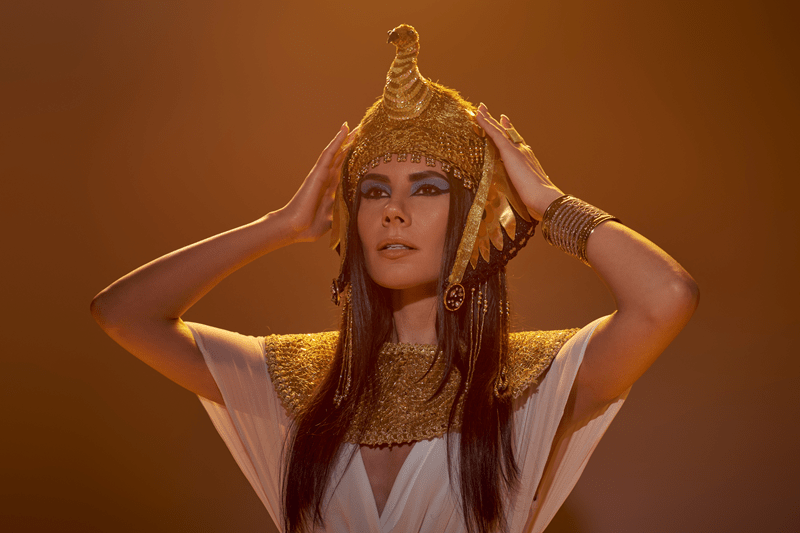
Egypt has never viewed makeup as a fad or a luxury of the elite. It was daily life. It was a belief. It was protection. It was power. In discussing the beauty, spirituality, health, and identity when discussing ancient Egyptian makeup, they are literally referring to the ways in which the four merge in a single ritualized performance. Since farmers lined up their eyes at dawn to queens perfecting sacred palettes, cosmetics influenced the way Egyptians traversed the world and into eternity. Let's talk about how this intriguing system functioned, why it was so important, and why it reverberates in the world of beauty culture even nowadays.
Makeup in ancient Egypt spoke before a word was ever said. It marked rank, intention, belief, and sometimes even destiny. This wasn’t vanity. It was communication.
Here’s the thing. Ancient Egyptians believed the eyes were portals. That’s why lining them mattered so deeply. Kohl wasn’t just for looks; it served as spiritual armor. Dark pigments around the eyes were thought to repel evil forces and harmful spirits. Sounds dramatic, right? But for Egyptians, daily life and the unseen world overlapped constantly.
Green eye paint, often made from malachite, symbolized growth and rebirth. Black kohl connected wearers to protective deities. Applying makeup became a quiet ritual, almost like a morning prayer. You know what? It wasn’t about standing out. It was about staying safe, balanced, and aligned with cosmic order.
Makeup also worked like a visual resume. The richer the pigments, the finer the tools, the higher the status. Nobles stored cosmetics in carved stone jars. Commoners used simpler blends, but they still participated.
Gold accents, bold eyes, and carefully scented oils weren’t subtle flexes. They signaled authority. Pharaohs used makeup to reinforce their semi-divine status. When you saw a ruler fully adorned, you weren’t just seeing style. You were seeing power, curated and intentional.
More to Discover: Hair as a Symbol of Chaos in Ancient Egypt – Here's Why
Royal beauty rituals weren’t random experiments. They were carefully preserved traditions passed down through generations. Some of them feel surprisingly modern.
Pharaohs followed strict grooming routines. Daily bathing, exfoliation using natron salts, and oil massages kept skin smooth in the harsh desert climate. Oils scented with myrrh or frankincense weren’t indulgent extras. They prevented dryness and infection.
The beauty secrets of the pharaohs were rooted in consistency. Makeup was reapplied throughout the day. Wigs were cleaned and restyled. Skin was protected from the sun long before SPF had a name. Honestly, their discipline would put most modern routines to shame.
Here’s something that often surprises people. Beauty wasn’t gendered the way it is now. Men wore eyeliner. Women shaved their heads. Both used perfumes, pigments, and elaborate wigs.
Power didn’t come from masculinity or femininity alone. It came from balance. Pharaohs, regardless of gender, presented themselves as complete beings. Makeup helped express that harmony. Cleopatra wasn’t unique because she wore makeup. She mastered how to use it as persuasion.
Behind every striking look was a surprisingly thoughtful formula. Egyptians understood materials, reactions, and preservation in ways that still impress historians.
Kohl was often made from galena and other lead-based minerals. Sounds risky, but here’s the twist. These compounds created antibacterial reactions that helped prevent eye infections. In a land where sandstorms were common, this mattered.
Lip and cheek colors came from crushed ochre mixed with fats. Oils from castor beans and moringa seeds moisturize skin and hair. Even nails were tinted using henna. Ancient Egyptian cosmetics weren’t improvised. They were tested through generations.
Makeup doubled as medicine. Oils protect skin from sun damage. Pigments blocked glare. Fragrances masked odors and lifted mood. You know what? The line between beauty and healthcare barely existed.
Cosmetics were worn daily, not saved for ceremonies. That routine use tells us everything. Makeup was as essential as clothing.
Learn More: Egyptian Hairstyles for Men: Trends & Traditions in History
It wasn’t just royalty setting trends. Makeup shaped ordinary lives, too. It crossed class lines and age groups.
In homes, cosmetics were stored carefully, sometimes passed down as family heirlooms. Markets sold pigments, oils, and tools. Temples prepared sacred blends used in rituals.
Applying makeup was often communal. Mothers taught daughters. Friends shared oils. These moments built identity and continuity. It wasn’t rushed. It was part of the rhythm of the day.
Children sometimes wore light eye makeup for protection. Soldiers lined their eyes before battle, believing it sharpened vision and courage. Priests painted their faces to embody gods during ceremonies.
Makeup adapted to the purpose. Soft for daily life. Bold for sacred moments. That flexibility made it powerful.
Perhaps the most fascinating part is how makeup followed the Egyptians beyond death. Beauty didn’t end at the grave.
Burial kits often included cosmetic jars, mirrors, and applicators. The belief was simple. You’d need them again. The afterlife mirrored earthly existence, just perfected.
Mummies were prepared with care. Eyes were outlined. Skin was treated. Appearance mattered because recognition mattered. The soul needed its body to look right.
Egyptian gods were depicted wearing makeup, too. Horus’s eye became a symbol of protection. Hathor’s painted eyes represented joy and love.
Humans mirrored divine imagery through cosmetics. It was imitation, yes, but also participation. Wearing makeup meant stepping closer to the sacred.
Read Next: Egyptian Hair & Culture in Hieroglyphic Art Revealed
The makeup of ancient Egypt was not connected to trends or passing beauty standards. It was about meaning. Identity. Protection. Power. Egyptians determined the perceptions of others, gods, and even their own selves by the use of pigments and oils. The ancient Egyptian beauty rituals remind us that the importance of beauty rituals has never been light. Perhaps that is why some magic is still in the contemporary eyeliner. There are aspects that cannot really become old.
It blocked glare and infection of the eyes, as well as fulfilling spiritual and symbolic purposes related to defense.
Yes. There was no stigma against the extensive use of makeup between genders, age, and social classes.
Most products were based on natural minerals, plant oils, animal fats, and crushed stones.
The styles of eyeliner, cosmetic rituals, and the connection of beauty with identity are all rooted in Egypt.
This content was created by AI