

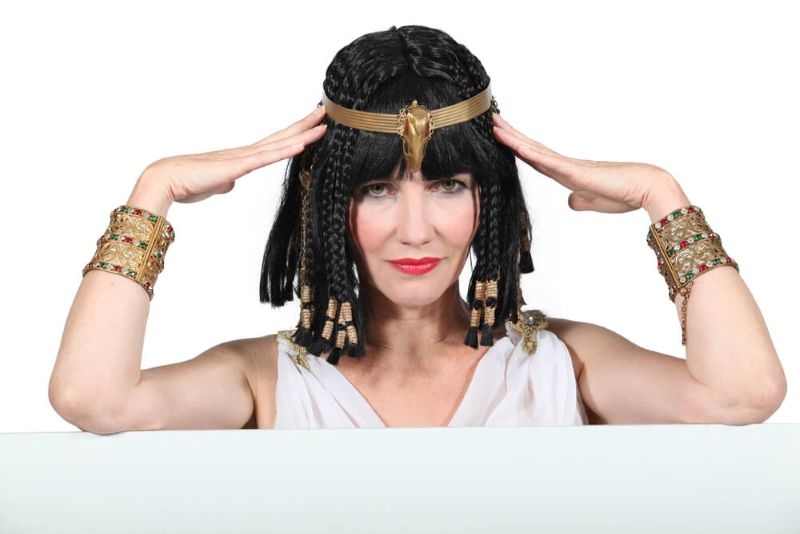
Before there were spoken words, hair had already told a story. In ancient Egypt, hair braids served more than just aesthetic value; they also conveyed social status, religious beliefs, age, and daily associations, all intertwined. The first impression of braided hair for an outsider would be that the individual takes pride in their appearance, has organized their hair, and displays respect for their identity. Today, this style of braiding from ancient Egypt is still carried through in African Egyptian braids, modern protective braiding styles, and natural hair braiding styles around the globe. Here is a simple breakdown of what all of this means:
Traditional Egyptian braids were created for a purpose, not because they were trendy. Braided hairstyles were designed with purpose and were most often connected to the spiritual beliefs and social roles of the individuals who wore them. Evidence of braided hairstyles among ancient Egyptians can be found in carvings, paintings, and preserved remains of individuals. This shows how seriously people in ancient Egypt valued caring for their hair.
Both men and women, as well as children, wore braided hairstyles. The length and pattern of the braid(s) were sometimes an indication of one's rank and/or age. Clean, tidy hair was indicative of an individual's ability to maintain external order (which was very important in ancient Egyptian culture).
Important meanings tied to these braids included
This history explains why African Egyptian braids still feel powerful today.
Expand Your Knowledge: Ancient Egyptian Hairstyles Meaning & Symbolism Uncovered
Ancient Egyptian braided hair was part of everyday routine. Hair was washed, oiled, and braided regularly due to the hot climate. Braids helped manage thick hair while keeping it clean and protected.
Natural oils and plant-based products were used. These helped keep hair soft and strong. Braiding reduced breakage and sun damage, which made these early protective braid styles without that modern name.
Hair was also shaved at times, and then braided wigs were worn. These wigs followed the same braid patterns, proving that Egyptian braid styles mattered even when hair was not natural.
Egyptian braid styles were diverse, not just one look. Some were tight and detailed, while others flowed loosely. Styles depended on age, role, and ceremony.
Common historical braid patterns included:
These patterns later inspired African Egyptian braids seen across different regions. The structure stayed similar even as materials changed.
As cultures moved and blended, African Egyptian braids traveled along with them. Trade routes and migration spread techniques across North and East Africa. Over time, these braids adapted to local customs while retaining core elements.
African Egyptian braids often feature:
These features still appear in modern protective braid styles. What this really means is that tradition never stopped; it just evolved quietly.
Protective braid styles aim to reduce damage. That idea already existed in ancient times. Braids shield hair from heat, dust, and constant handling. Traditional Egyptian braids did precisely that, even without modern tools.
Benefits included:
That is why braids for natural hair often follow these same principles today. The science matches the tradition more than people realize.
A Closer Look at This: The Impact of Egyptian Culture on Modern Kids’ Hairstyles
Braids for natural hair take many cues from ancient Egyptian braided hair. Sectioning, tension control, and length protection are all rooted in old techniques.
Modern styles influenced by Egypt include:
These styles respect natural texture instead of fighting it. That mindset came straight from traditional Egyptian braids.
Ancient Egyptian hairstyling tools varied in function but were effective across all tool types. Combs made of bone or wood are used to create an even parting in hair. Plant oils are applied to the scalp to promote healthy skin and hair. The use of adornments to enhance hairstyle was everyday.
There were commonly used materials that were found in ancient Egyptian braids, and those include:
None of these materials was arbitrary. Instead, each served as a representation of status (wealth), protection (good luck), or belief (spiritual). Egyptian braided styles have always struck a balance between beauty and meaning by using similar materials.
Hair was seen as a spiritual extension of the body. Sure, braids were worn during rituals or mourning periods. Priests often kept their hair shaved, while ceremonial wigs followed sacred patterns.
Ancient Egyptian braided hair sometimes included amulets woven in. These were believed to guard the wearer. African Egyptian braids later carried similar spiritual value in other cultures.
Hair was never treated as a simple decoration. It carried weight and respect.
Traditional Egyptian braids still shape modern hair culture. Stylists reference ancient patterns when creating runway looks and everyday styles. Museums and art continue to educate people on these designs.
Today, these braids appear in:
Protective braid styles owe much to Egyptian roots, even when not named directly.
Hair care focused on prevention, not repair. That idea still works. Braids were kept neat, not tight. Scalp health came first.
Basic care habits included:
Braids for natural hair benefit from this same approach today. Lower tension leads to stronger, more sustained growth over time.
Traditional Egyptian braids connect beauty, history, and function. They remind people that hair is part of identity. African Egyptian braids continue to honor that truth across generations.
When hair care respects roots, results last longer; that lesson came from ancient times and still holds firm.
On a Related Note: Explore Egyptian Braided Crowns: Symbolism and Style Explain
Braids in Egypt were a means of conveying aspects of a person's identity. The traditional Egyptian braid has many meanings, including beauty, respect, and protection. Braiding has influenced the development of the braids used by modern-day African Egyptians. Ancient Egyptians created braided styles which combined function and aesthetics, establishing a legacy that continues one braid at a time.
They are historical braid patterns used in ancient Egypt for daily life, protection, and cultural expression.
Yes, Egyptian braid styles support natural hair braids by reducing breakage and retaining moisture.
They keep the structure but use modern materials and tools while honoring original patterns.
Ancient Egyptian braided hair showed identity, status, and spiritual beliefs, not just style.
This content was created by AI